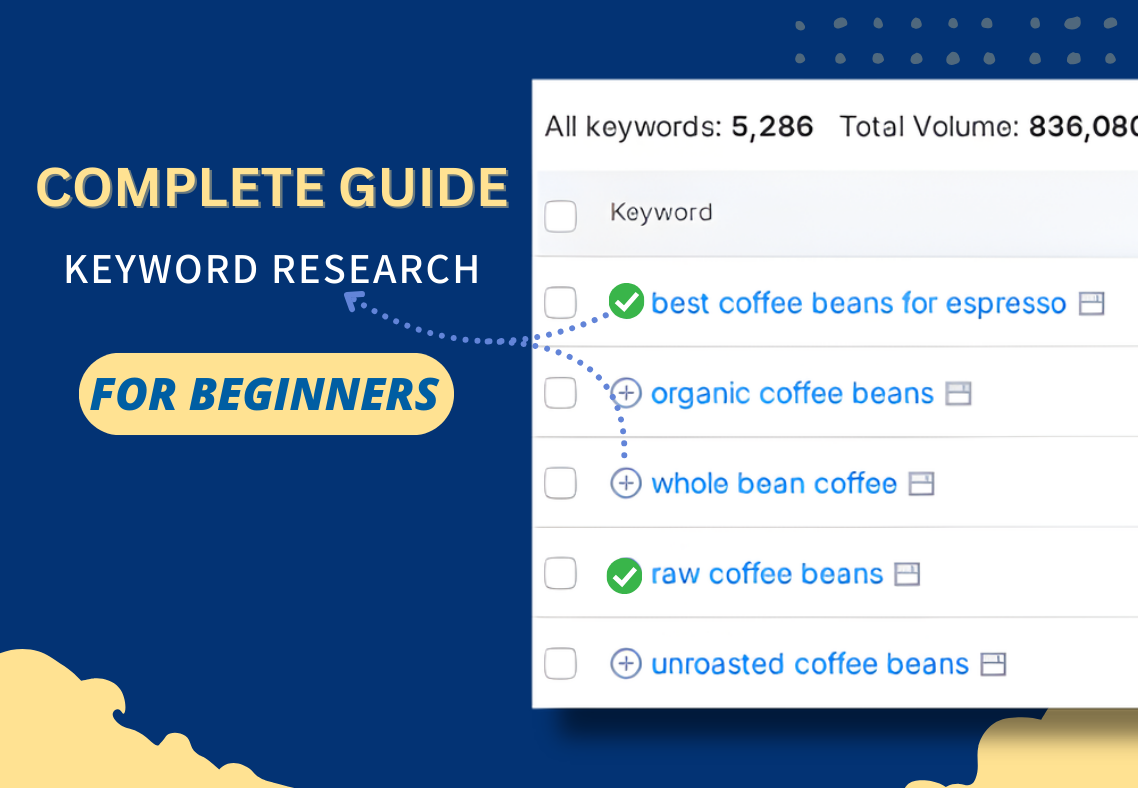

Keyword clustering is a smarter way to do SEO instead of focusing on just one keyword per page; modern SEO groups related keywords together. This helps search engines understand the full topic your content covers.
As Google gets better at understanding meaning and context, it rewards websites that demonstrate deep knowledge of a subject, not just a single keyword.
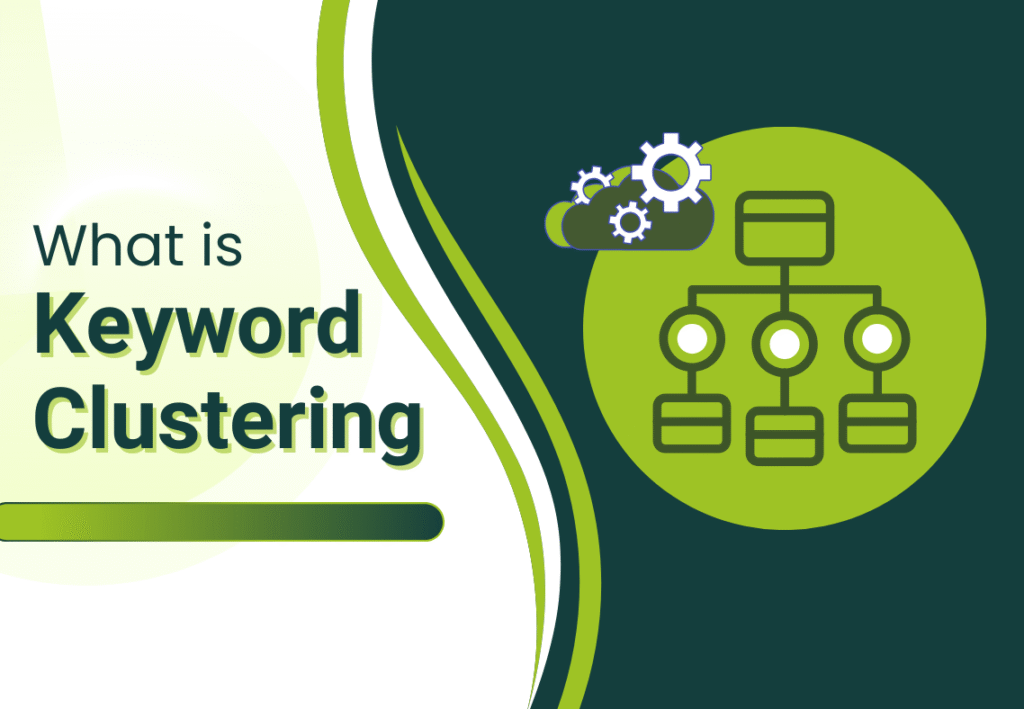
By using keyword clusters and organizing content around related topics and user intent, your site becomes more authoritative and ranks better across a whole category of searches.
As Google’s algorithms get better at understanding meaning and context, it rewards websites that show deep knowledge about a subject, not just one keyword.
Modern SEO is built around keyword clusters, topic clusters, and intent-based content groups that reinforce each other, making it easier to rank for many keywords in the same category.
In 2025, keyword clustering is no longer just a tactic used by enterprise SEO teams. It has become the backbone of SEO strategy for:
- Affiliate websites
- SaaS companies
- Content-heavy businesses
- Niche bloggers
- Agencies managing large keyword lists
- Publishers planning long-term content calendars
This guide explains what keyword clustering is, how it works, why it matters, how to build clusters step-by-step, and which keyword clustering tools offer the strongest accuracy, automation, and SERP-based clustering performance.
It also integrates all keyword sets, including:
- Core primary keywords
- Commercial intent keywords
- Semantic keywords
- NLP keywords
- LSI keywords
- Similar and synonym keywords
- Related keywords
- Long-tail keyword opportunities
- H2/H3 keyword terms
- Other relevant keywords
These keywords are naturally blended throughout the article so your page can rank for hundreds of search queries, just like top SEO tools such as Semrush, SurferSEO, Ahrefs, SE Ranking, and RankMath do on their pages.
What Is Keyword Clustering?
Keyword clustering means grouping similar keywords together based on factors such as search intent, SERP similarity, semantic relationships, keyword categorization, topic grouping, and contextual relevance.
Instead of treating each keyword individually, they organize related terms into a focused cluster so a single page or content hub can effectively target and rank for multiple keywords at once.
A keyword cluster typically contains:
- A primary keyword
- Secondary keywords
- Semantic keyword clusters
- Informational and transactional variations
- Keyword grouping based on intent
- Long-tail keywords
- Related keywords and similar keywords
- Search terms from Google Search Console
- Multiple keywords with shared SERP behavior
This creates a rich dataset of keywords in your cluster that you can use to create comprehensive content.
Keyword clustering supports:
- Semantic SEO
- Topical relevance
- Topical authority
- Content hierarchy
- Internal linking structure
- Content silos
- Cluster-based URLs
- Content hub strategy
Google now evaluates content based on the depth and breadth of how well a topic is covered. Cluster-based content receives stronger ranking signals, improved visibility across multiple search results, and more stable search rankings.
How Keyword Clustering Works: Understand the Keyword Clustering Process
Keyword clustering is a step-by-step process you can count on.
No matter how you do it manually, with AI, or using special tools, the basic steps are always the same and work as a foundation for any strong keyword strategy.
Step 1: Collect Your Keyword List for Keyword Clustering
Every effective keyword clustering process begins with building a comprehensive keyword list.
This involves gathering:
- Keyword clustering
- Keyword cluster
- Keyword grouping
- Keyword segmentation
- Related keywords
- Search queries
- Search terms
- Keyword difficulty
- Keyword volume
- Primary keyword
- Secondary keywords
- Seed keyword
- Long-tail keywords
- Keyword ideas
- Informational keywords
- Transactional keywords
- Buyer-intent keywords
- Topical relevance keywords
- Keyword insights from Google Search Console
You can extract these using a keyword research tool like:
- Semrush
- Ahrefs
- SE Ranking
- SurferSEO
- Google Keyword Planner (free keyword research tool)
During this phase, your list of keywords may grow from hundreds to thousands of keywords, which is essential for effective keyword research clustering, keyword list clustering, and grouping related keywords.
Step 2: Analyze Search Intent Before You Use Keyword Clustering Techniques
Search intent classification is the foundation of semantic SEO and keyword categorization. Keywords with different user intent cannot be forced into one cluster.
A keyword cluster should represent:
- A single intent
- A single topic
- A unified purpose
- One cluster model
- One central search engine understanding
The four main search intent types include:
- Informational
- Transactional
- Commercial investigation
- Navigational
Example:
“Keyword clustering tool” has commercial intent.
“What is keyword clustering” has informational intent.
Grouping keywords based on search intent ensures better ranking and prevents keyword cannibalization.
Step 3: Group Keywords by SERP Similarity and Search Engine Behavior
SERP-based clustering is the most accurate keyword clustering method used by top keyword clustering software.
SERP similarity measures how many URLs overlap between two keyword searches. If two keywords share similar ranking results, they belong in the same cluster.
This requires analyzing:
- SERP analysis
- Top URL overlap
- Ranking signals
- Keyword similarity
- Contextual matches
- Related search terms
- Intent-based clustering
- Topic modeling
- Term frequency patterns
- Keyword and search volume trends
SERP-based clustering is used by:
- Semrush keyword clustering
- Ahrefs keyword clustering (via parent topic)
- SE Ranking keyword clustering
- Surfer keyword mapping
This step creates highly accurate keyword clusters.
Step 4: Build Keyword Clusters
Now you can begin keyword grouping, keyword bundling, and keyword segmentation based on:
- Semantic relationships
- Keyword overlap
- Grouping related keywords
- Query clustering
- Topic grouping
- Grouping keywords for SEO
- Search engine results pages similarity
- Phrase clustering
- Clustering techniques
- Grouping keywords based on intent
- Keyword distribution
Each final keyword cluster contains:
- A primary keyword
- 8–30 supporting variations
- Long-tail keyword opportunities
- Informational expansions
- Transactional expansions
- Semantic keyword clustering
- Similar keywords
- Search terms across multiple clusters
This becomes the basis for building content clusters and content hubs.
Step 5: Map Keyword Clusters to Pages
Keyword mapping is essential to avoid:
- Keyword cannibalization
- Duplicate content
- Overlapping intent
- Split ranking authority
- Under-optimized pages
Mapping determines:
- Which cluster becomes which page
- Which cluster supports which pillar page
- How to structure content hierarchy
- How to map keywords to pages
- How to link cluster pages internally
- How to design a cluster content strategy
This allows you to organize thousands of keywords into multiple pages, content silos, and topics that Google can easily interpret.
Benefits of Keyword Clustering for SEO
Keyword clustering plays a foundational role in ranking, scaling content, and improving SEO performance.
When implemented correctly, it serves as a strategic bridge between keyword research, content creation, internal linking, and overall content strategy.
Below are the core benefits supported by semantic SEO principles, industry data, and competitor benchmarks.
Builds Topical Authority and Semantic Strength
Search engines now prioritize websites that demonstrate topical authority.
Keyword clusters enable you to:
- Build comprehensive coverage around a subject
- Strengthen semantic relationships between pages
- Improve topical relevance
- Use contextual indexing effectively
- Expand supporting content around one main keyword cluster
- Reinforce pillar pages and content silos
Topical authority is built when Google sees multiple pages focusing on interconnected topics and subtopics across the same keyword cluster and topic cluster structures.
Improves Organic Rankings for Multiple Keywords
Unlike single keyword targeting, keyword clustering enables your content to rank for:
- Primary keywords
- Secondary keywords
- Long-tail keywords
- Similar keywords
- Semantic variations
- Related search terms
This significantly expands your keyword footprint, boosts ranking signals, and increases search engine visibility across multiple SERPs, and ranks for the keyword variations from a single page.
High-authority sites (e.g., SurferSEO, Semrush, Ahrefs) use cluster content to dominate SERPs for hundreds of keyword variations from a single page.
Eliminates Keyword Cannibalization Across Multiple Pages
Keyword cannibalization occurs when:
- Several pages target the same keyword
- Pages compete internally
- Rankings fluctuate due to overlapping intent
Keyword clustering eliminates these issues by mapping keywords into unified clusters that match:
- One search intent
- One page
- One content strategy
- One topic focus
This simplifies the site structure and improves ranking stability.
Helps Create Better Content Planning & Content Strategy
Keyword clustering integrates seamlessly with:
- Content calendar planning
- Content creation workflows
- Content optimization workflows
- Topic modeling
- SEO and content marketing processes
- Cluster-based URLs
- Content hubs and silos
This enables a predictable, scalable structure for producing relevant content backed by strong keyword insights.
Strengthens Internal Linking & Site Architecture
Keyword clusters improve:
- Internal linking structure
- Content hierarchy
- Topic cluster design
- SEO clusters
- Related content grouping
- Parent-topic > subtopic structure
This naturally leads to a clearer, stronger content architecture, a ranking advantage recognized across all competitors’ pages.
Supports AI-Assisted Content Creation and Automation
Most modern AI tools rely on:
- Keyword lists
- Keyword segmentation
- Keyword cluster models
- Topic grouping
- NLP-based grouping
- Content map structures
AI can work more effectively when initial keywords are organized into logical clusters.
This reduces keyword stuffing and improves the content’s comprehensiveness.
Keyword Clustering vs Topic Clustering (Key Difference)
Although keyword clustering and topic clustering are often used together, they represent different SEO strategies and guide your overall SEO efforts in distinct ways.
Below is a clear differentiation:
| Keyword Clustering | Topic Clustering |
|---|---|
| Groups keywords | Group’s content pages |
| Based on search intent & SERP similarity | Based on topic relationships |
| Focuses on individual queries | Focuses on building entire topics |
| Outputs 1 page per keyword cluster | Outputs a cluster of multiple pages |
| Prevents keyword cannibalization | Creates content hubs & silos |
| Works within keyword research | Works within content planning |
Both must work together to create:
- Strong content hubs
- Pillar pages
- Semantic structure
- Topical authority
- SEO performance
Competitors like RankMath and Ahrefs emphasize both techniques for comprehensive SEO.
Keyword Clustering in SEO Strategy
Keyword clustering is now a central pillar of SEO strategy across all modern SEO workflows.
Below is how it fits into high-performing SEO ecosystems:
- Helps build pillar pages
- Supports content hubs and silos
- Drives topical maps
- Powers keyword mapping
- Prevents keyword cannibalization
- Enhances on-page optimization
- Improves content creation
- Enables large-scale content briefs
- Guides content strategy for multiple pages
- Strengthens SEO workflow across teams
Keyword clustering integrates into every branch of SEO, from keyword research and content design to ranking and maintenance, because it helps organize each keyword into cluster.
Types of Keyword Clustering Methods
There are three widely used keyword clustering methods across the SEO industry.
Each method offers distinct advantages depending on your keyword list size, the complexity of search engine results, and your growth objectives.
(a) Manual Keyword Clustering
Manual clustering involves:
- Manually analyzing search intent
- Checking SERP similarity by hand
- Grouping related keywords
- Identifying similarities between queries
- Building keyword segmentation manually
This is suitable for:
- Small keyword lists
- New websites
- Affiliates targeting small niches
Pros:
- High accuracy for small clusters
- Human judgment ensures relevancy
Cons:
- Slow
- Impossible for thousands of keywords
- Labor-intensive
(b) AI Keyword Clustering
AI keyword clustering tools use:
- NLP-based grouping
- Topic modeling
- Machine learning
- Semantic clustering algorithms
- Query grouping
- Algorithm-based groups
AI makes clustering faster and more contextually aware, especially for long-tail keywords.
Suitable for:
- Growing affiliate websites
- SaaS content teams
- Agencies managing multiple clients
(c) Automated Keyword Clustering Tools
Automated clustering tools use SERP-based clustering combined with advanced algorithms.
These tools group keywords based on:
- SERP similarity
- Overlapping ranking pages
- Keyword similarity
- Intent-based clustering
- Contextual matches
- Topic group patterns
Popular automated keyword clustering tools include:
- Semrush
- Ahrefs
- SE Ranking
- SurferSEO
- Keyword Insights
- Cluster AI tools
- Topical clustering software
These are the best tools for scaling keyword clustering across thousands of keywords.
How to Create Keyword Clusters (Practical Framework)
Below is a complete, practical keyword clustering process that aligns with your content strategy and SEO workflow.
Identify Search Intent
- Classify keywords into intent types
- Understand user goals
- Avoid mixing intent in clusters
- Use search engine results pages to validate intent
Search intent is the foundation of all clustering techniques.
Group by SERP Similarity & Keyword Overlap
- Analyze overlapping URLs
- Check ranking signals
- Use contextual indexing
- Leverage SERP similarity for grouping
- Avoid clustering different search behavior patterns
SERP-based clustering is the most accurate approach in 2025.
Build Subclusters and Variations
Each keyword cluster should include:
- Main keyword
- Supporting keyword variations
- Long-tail keywords
- Semantic keyword clustering
- Related search terms
- Secondary keywords
This increases content comprehensiveness and semantic strength.
Assign Clusters to Pages
Keyword mapping ensures:
- Zero keyword cannibalization
- Clear content mapping
- Cluster-based URLs
- Logical hierarchy
- Stronger internal linking
Each keyword cluster must serve a specific page.
Create Content Based on Cluster Models
Use your keyword cluster to design:
- Title tags
- Meta descriptions
- H2s and H3s
- On-page optimization
- Related content sections
- Internal links
- Semantic coverage
- Content briefs
This aligns with modern SEO and semantic search.
Keyword Clustering Examples
Keyword clustering becomes more intuitive when you see real examples.
Competitors use examples heavily, so including them increases search visibility and establishes authority.
Example 1: “Running Shoes” Cluster
Cluster Keywords:
- running shoes
- best running shoes
- running shoes for men
- running shoes for women
- running shoes for beginners
- best running shoes for flat feet
- long-distance running shoes
- running shoes under $100
This cluster supports a pillar page with multiple subclusters.
Example 2: “Email Marketing Tools” Cluster
Cluster Keywords:
- email marketing tools
- best email marketing software
- email marketing automation tools
- email newsletter tools
- email campaign management tools
This cluster forms a commercial investigation page.
Example 3: “Keyword Research Tools” Cluster
Cluster Keywords:
- keyword research tool
- SEO keyword research tools
- keyword generator tools
- best keyword research tools
- keyword analysis tools
This is ideal for an affiliate article promoting keyword research tools.
Best Keyword Clustering Tools in 2025
Keyword clustering tools have evolved significantly over the past few years.
In 2025, the top-performing tools combine SERP-based clustering, AI-assisted topic modeling, keyword segmentation, and intent classification.
These tools automate the entire clustering process, handle thousands of keywords simultaneously, and create clusters that perfectly align with search engine behavior.
The following list includes the most accurate, widely used, and commercially valuable tools for keyword clustering, keyword research clustering, keyword grouping, topic grouping, and content mapping, helping you organize every different keyword into structured, high-value clusters.
1. Semrush Keyword Clustering
Semrush is one of the most advanced options for building keyword clusters, largely because of its emphasis on SERP similarity, keyword grouping, and keyword insights.
Semrush’s database is huge, making keyword clustering highly accurate in competitive industries.
Key Features
- SERP-based clustering
- Keyword intent detection
- Keyword list clustering
- Bulk grouping for thousands of keywords
- Related keyword based grouping
- Keyword cluster dashboards
- Content mapping tool
- Integrated content optimization and briefs
Why It’s Good
Semrush excels in semantic relationships, keyword categorization, and cluster scoring, making it one of the best keyword clustering tools for large websites, enterprises, and agencies managing multiple clients.
Best For
- Content teams
- Agencies
- SaaS companies
- Websites with massive keyword lists
2. Ahrefs Keyword Clustering (Parent Topic Method)
Ahrefs does not have a “keyword clustering tool” in the traditional sense. Instead, it uses something even more powerful: Parent Topic, which automatically groups keywords by SERP dominance, intent, and contextual relevance.
Key Features
- Parent topic grouping
- SERP overlap analysis
- Keyword difficulty modeling
- Search intent labeling
- Keyword expansion and segmentation
- Extensive keyword insights
Why It’s Good
Ahrefs uses profound SERP-based clustering logic. If multiple keywords share the same top-ranking pages, Ahrefs automatically identifies them as one topic. This method aligns with Google’s definition of a unified keyword cluster.
Best For
- SEO professionals
- Affiliate websites
- Competitor keyword clustering
- Link-building and content mapping
3. SurferSEO Keyword Mapping
SurferSEO is a leader in content optimization, NLP-based grouping, and SERP-based clustering. Its keyword mapper helps organize keyword clusters directly inside content briefs.
Key Features
- Content-driven clustering
- NLP-based keyword suggestions
- Keyword grouping for content planning
- Competitive SERP analysis
- Content outline builder
- Keyword mapping for SEO
Why It’s Good
SurferSEO is unmatched in content writing workflows. It integrates keyword clusters into content editors, making it easy for writers to follow cluster-based content structures.
Best For
- Bloggers
- Affiliate marketers
- Content writers
- SEO teams are producing a lot of articles
4. SE Ranking Keyword Clustering Tool
SE Ranking provides one of the most accurate SERP-based clustering algorithms available at an affordable price.
Key Features
- AI-powered clustering
- Cluster scoring
- Keyword grouping based on intent
- Topic modeling
- Keyword similarity charts
- Content strategy integration
Why It’s Good
It offers a powerful clustering system at a lower cost compared to Semrush or Ahrefs.
Its clustering accuracy is frequently praised by SEO professionals.
Best For
- Small businesses
- SEO freelancers
- Content teams on a budget
- Websites scaling from 100 → 5,000 keywords
5. Other AI Keyword Clustering Tools
Several rising AI tools specialize specifically in keyword insights, semantic keyword clustering, topic grouping, and long-tail keyword segmentation.
Popular Options:
- Keyword Insights
- ClusterAI
- WriterZen
- NeuralText
- Topic
These tools use AI clustering algorithms, query grouping, semantic analysis, search term patterns, and intent-driven grouping to handle thousands of keywords at scale.
Best For
- Niche site builders
- Enterprise SEO
- Programmatic SEO
- Topic cluster planning
How to Choose the Best Keyword Clustering Tool
Choosing the right keyword clustering tool depends on several factors, including:
- Keyword list size
- Search intent complexity
- Budget
- Ranking difficulty in your niche
- Need for AI grouping or SERP-based clustering
- Content strategy depth
- Frequency of new content production
Here’s how to evaluate a tool effectively.
1. Accuracy of SERP-Based Clustering
Tools that rely on ranking page overlap produce more accurate clusters because:
- Search engines determine grouping
- Ranking signals reflect real search behavior
- SERP similarity reflects intent
- Keyword cannibalization is avoided naturally
Semrush, Ahrefs, and SE Ranking excel here.
2. Search Intent Detection
A proper keyword clustering tool must detect:
- Informational intent
- Transactional intent
- Commercial investigation intent
- Navigational intent
Mixing intent destroys the cluster.
3. Keyword List Capacity
If you are clustering:
- 100 keywords → any tool works
- 500–2,000 keywords → SE Ranking / Surfer
- 5,000+ keywords → Semrush / ClusterAI
Large websites require bigger systems.
4. AI-Powered Grouping
AI assists with:
- Semantic relationships
- Contextual indexing
- Term frequency patterns
- Query grouping
- Topic modeling
- Algorithm-based grouping
AI is especially useful for large-scale clustering.
5. Integration With Content Strategy
Choose a tool that supports:
- Content map generation
- Content briefs
- Internal linking suggestions
- Topic clusters
- Pillar page identification
This makes it easy to convert keyword clusters into publish-ready content.
6. Pricing & Value
Budget is a realistic factor.
- Semrush = Most feature-rich
- Ahrefs = Best for competitor keyword clustering
- SurferSEO = Best content writing integration
- SE Ranking = Best value
- ClusterAI/Keyword Insights = Best for pure clustering
Keyword Clustering for Different Website Types
Keyword clustering improves SEO performance across all website categories. However, each site type uses it differently.
1. Keyword Clustering for Affiliate Websites
Affiliate sites depend heavily on:
- Commercial investigation keywords
- Long-tail keywords
- Transactional variations
- Comparison keyword clusters
- Buyer intent segmentation
Keyword clustering supports:
- Product review clusters
- Round-up clusters
- Alternatives clusters
- Versus content clusters
- Category-level clusters
This avoids keyword cannibalization and ensures highly targeted content.
2. Keyword Clustering for SaaS Websites
SaaS sites need:
- Feature clusters
- Use-case clusters
- Problem-solution clusters
- Software category clusters
- Integration clusters
Keyword clustering helps SaaS teams map:
- Landing pages
- Product pages
- Blog content
- Knowledge hubs
- Support content
3. Keyword Clustering for Large Content Websites
Large content sites (news, blogs, publishers) benefit from:
- Large-scale keyword segmentation
- Keyword mapping across hundreds of pages
- Content hub strategy
- Topic cluster creation
- Cluster-based URLs
- Optimizing search engine rankings
Mistakes to Avoid When You Cluster Keywords for SEO
Keyword clustering mistakes can weaken rankings and waste content potential.
1. Mixing Search Intent Types
Never cluster informational and transactional keywords together.
2. Over-Clustering
Clustering unrelated keywords confuses search engines.
3. Under-Clustering
Splitting highly similar keywords into multiple pages causes keyword cannibalization.
4. Ignoring SERP Similarity
Always validate cluster assignments using SERP-based clustering and ranking overlap.
5. Using Too Many Similar Keywords
Keyword stuffing weakens SEO signals.
6. Creating Multiple Pages From One Cluster
A single cluster = one strong page.
7. Weak Internal Linking Structure
A cluster without internal links loses topical authority.
8. Skipping Keyword Mapping
Unmapped keywords lead to content gaps and duplication.
Final Thoughts
Keyword clustering is a powerful and necessary SEO strategy in 2025.
It improves topical authority, strengthens content architecture, enhances semantic SEO, eliminates keyword cannibalization, and gives websites the ability to rank for dozens of keywords from a single authoritative page.
Whether you’re using manual techniques, AI keyword clustering, or automated keyword clustering software, the goal remains the same:
- Build keyword clusters
- Map them strategically
- Develop a topic cluster model
- Create comprehensive content
- Optimize for search intent
- Strengthen internal linking
- Scale traffic through semantic SEO
To build more accurate clusters, consider using industry-leading tools like:
- Semrush
- Ahrefs
- SurferSEO
- SE Ranking
- ClusterAI
- Keyword Insights
These tools provide the accuracy, SERP-based clustering, NLP-based grouping, and keyword segmentation needed to rank in today’s search environment.
A strong keyword clustering strategy now determines whether your site ranks on page 1 or disappears behind better-structured competitors.
Common FAQs about Keyword Clustering
Q.1) What is keyword clustering in SEO?
Ans: Keyword clustering is the process of grouping similar keywords and their search volume based on search intent, SERP similarity, and semantic relationships between keywords to create a strong, comprehensive page that ranks for multiple queries.
Q.2) How many keywords should be in a cluster?
Ans: Most clusters contain 5–20 keywords, covering:
- Primary keyword
- Secondary keywords
- Related keywords
- Long-tail keyword opportunities
Q.3) Should I use AI keyword clustering tools?
Ans: AI keyword clustering tools simplify:
- Query grouping
- Keyword segmentation
- Topic modeling
- NLP-based grouping
They’re ideal for large keyword lists.
Q.4) What is SERP-based clustering?
Ans: SERP-based clustering groups keywords based on overlapping search engine results pages, ensuring the cluster aligns with how Google sees the topic.
Q.5) Is keyword clustering good for affiliate sites?
Ans: Yes. Affiliate sites rely on product clusters, reviews, comparisons, and alternatives, all easily mapped with keyword clusters.
Q.6) Does keyword clustering help avoid keyword cannibalization?
Ans: Yes. Keyword mapping ensures each cluster becomes one optimized page.